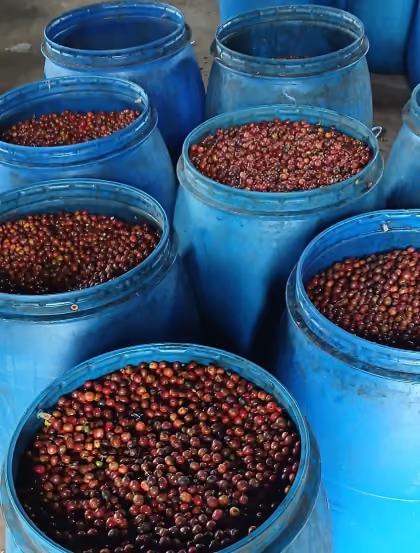
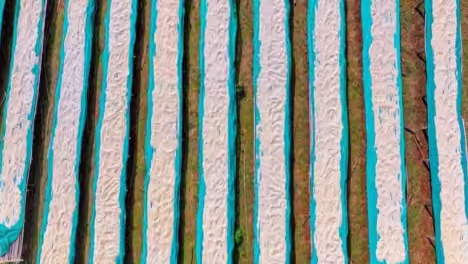
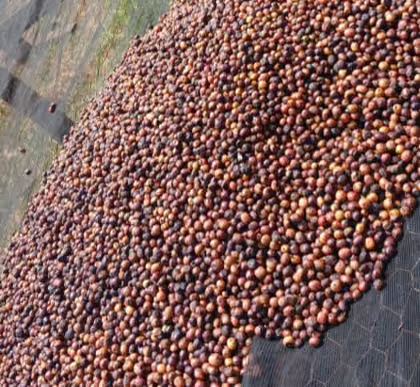
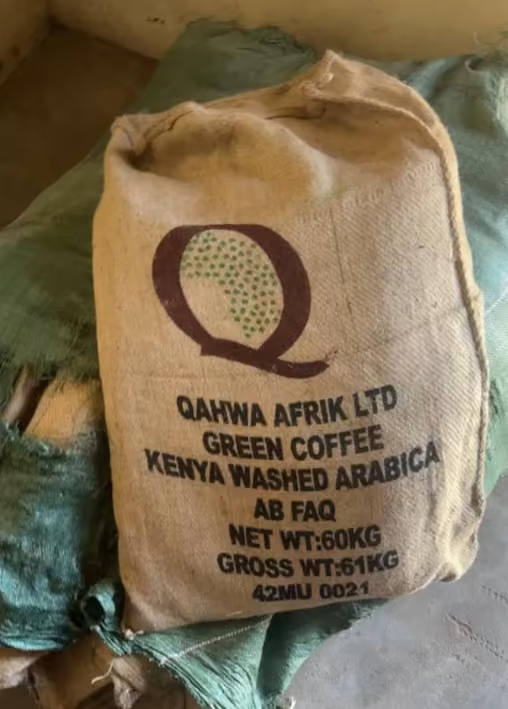
Different coffees. Different harvests. Different processes. Different volumes. And different levels of traceability.
When we put our name behind a coffee, we need to know more than the country it came from.
Some coffees let us follow the line further than others. We won't pretend otherwise.
WE'LL TELL YOU WHAT WE KNOW. AND WHAT WE DON'T.
01
ON THE GROUND
KENYA IS OUR ORIGIN-SIDE BASE.
ACROSS UGANDA, ETHIOPIA AND TANZANIA, OUR AMBASSADORS EXTEND OUR REACH.
Our ambassadors are local coffee trade contacts who help us source coffee and verify information at origin. They do not hold diplomatic roles
WE HAVE PEOPLE CLOSE TO THE COFFEE.
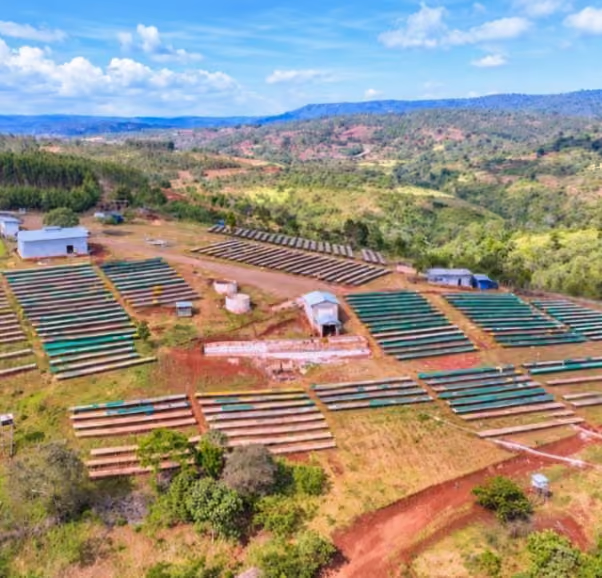
Qahwa Afrik is physically present in Kenya and holds a Kenyan coffee buyer's licence. We remain close to the sourcing, sampling, preparation, inspection and loading.
Across Uganda, Ethiopia and Tanzania, our trusted Qahwa Afrik ambassadors work with farmers and established local partners.
They help us find the coffee, follow its preparation and confirm the information that travels with it.
We don't try to manage four origins from behind one desk.
Nyeri, Kenya
Mbeya, Tanzania
Mt Elgon, Uganda
02
HOW FAR CAN WE FOLLOW IT?
SOME COFFEES TAKE US BACK TO THE FARMER. OTHERS DON'T.
When we work directly with a farmer, the record can begin with that farmer and their coffee.
When a cooperative is involved, it may begin with the factory or washing station.
When coffee comes through the auction, it can be followed through the information attached to its lot and outturn number.
That is the reality of the coffee trade.
We don't take a record that begins at a factory and turn it into a story about an individual farmer.
Then we add what we check ourselves through inspection, sampling, cupping and technical QC.
WHAT CAME WITH THE COFFEE.
WHAT WE CHECKED OURSELVES.
WE KEEP THE TWO CLEAR.
03
HOW WE LOOK AT COMPENSATION
WHEN PAYMENT GOES DIRECTLY TO THE FARMER, WE KNOW WHO RECEIVED IT.
Where we work through a direct relationship, we agree the price with the farmer. The market matters. The quality matters. Then we pay the agreed amount in full and on time. No unexplained deductions. We keep a record of the agreement and payment.
When coffee comes through a cooperative or the auction, it works differently. We pay the party we bought the coffee from. We can confirm that payment. But we cannot confirm what each individual farmer ultimately received. We won't pretend that we can.
THAT'S WHY WE PREFER DIRECT RELATIONSHIPS. WE KNOW WHO RECEIVED THE PAYMENT.
04
WHAT STAYS PRIVATE
NOT EVERY NAME WE KNOW BELONGS ON OUR WEBSITE.
Some farmers do not want to be named.
Some partners work with us under an NDA. We gave them our word. If we have permission to name them, we will. If we don't, we won't.
A buyer still gets the information they need to assess the coffee.
But they do not get our contacts, commercial terms or the route into our supply chain. Those relationships took time to build. We are not going to publish them for competitors.
A BUYER GETS CLARITY ON THE COFFEE.
OUR NETWORK STAYS OURS.
05
ASK US
YOU CAN ASK US ANYTHING ABOUT THE COFFEE.
We'll answer based on the coffee in front of us. Not with a general statement written for the website.
We want you to have peace of mind before you commit to a coffee.
If we can show you something, we will. If we cannot disclose it, we'll tell you.
Where does the record begin?
What information came with it?
What has to remain private?
How far can the coffee be followed?
What did Qahwa Afrik check itself?
And why?
YOU SHOULD KNOW WHAT YOU'RE BUYING BEFORE YOU PUT YOUR MONEY BEHIND IT.